
Exoracing
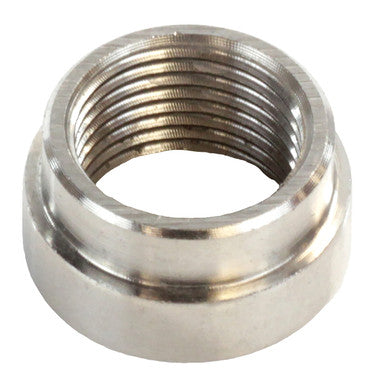
Exoracing O2 Lambda Sensor Adapter Weld In Nut M18x1.5 Stainless Steel
Exoracing O2 Lambda Sensor Adapter Weld In Nut M18x1.5 Stainless Steel
Couldn't load pickup availability
Choose The Right Weld-In O2 Lambda Sensor Nut For Your Exhaust
The Exoracing O2 lambda sensor adapter weld-in nut is designed to add an M18x1.5 sensor port to stainless exhaust pipework. It is useful when fitting a wideband sensor, adding an extra lambda sensor position for tuning, replacing a damaged sensor boss, or building a custom exhaust, downpipe or turbo setup that needs a clean sensor mounting point.
- Thread: M18x1.5, the common thread used by many narrowband and wideband oxygen sensors
- Material: 304 stainless steel
- Install type: weld-in sensor nut with machined collar
- Hole size guidance: drill a 22mm or 23mm hole before welding
- Included: 1 lambda sensor adapter nut and Exoracing lifetime warranty
Important: this part must be welded into the exhaust. Confirm your sensor thread is M18x1.5, check the sensor angle/location required by your wideband or lambda sensor manufacturer, and use a professional welder if you are not confident fabricating stainless exhaust parts.
Why Do You Need A Weld-In Lambda Sensor Nut?
Most OEM and aftermarket exhaust systems only have the sensor ports needed for the original setup. That can become a problem when you add a wideband for tuning, build a turbo conversion, change the downpipe, or need to move the lambda sensor into a better position.
A weld-in lambda sensor nut lets you add a proper threaded port exactly where it is needed. The Exoracing adapter is machined from 304 stainless steel and uses the common M18x1.5 oxygen sensor thread, making it suitable for many narrowband and wideband sensor applications where the sensor also uses M18x1.5.
The machined collar helps the adapter sit neatly in the drilled hole before welding. Once installed correctly, it gives the sensor a strong, serviceable threaded mounting point in the exhaust. If you are building or refreshing an exhaust sensor setup, it is also worth checking the Exoracing O2 lambda sensor spacer, Exoracing heat reflective tape for nearby heat protection, and Exoracing stainless steel V-band clamps for serviceable exhaust fabrication joints.
Fitment And Compatibility Guide
| Check | What To Confirm |
| Sensor thread | Your oxygen, lambda or wideband sensor must use an M18x1.5 thread. |
| Exhaust material | This adapter is 304 stainless steel and is best suited to stainless exhaust fabrication. |
| Hole size | Drill a 22mm or 23mm hole so the adapter can sit correctly before welding. |
| Sensor angle | Follow your sensor manufacturer's guidance. Wideband sensors often need a specific angle to avoid moisture damage and poor readings. |
| Access | Leave enough space to install, remove and service the sensor after welding. |
When Should You Use This Adapter?
| Use Case | Why It Helps |
| Wideband install | Adds a dedicated M18x1.5 sensor port for tuning and air-fuel ratio monitoring. |
| Turbo conversion | Allows you to position the sensor correctly in new downpipe or exhaust pipework. |
| Custom exhaust fabrication | Gives the exhaust fabricator a clean weld-in sensor boss. |
| Damaged sensor port repair | Can replace a damaged or badly positioned lambda sensor boss during exhaust repair. |
Purchase Includes:
- 1 x Exoracing O2 lambda sensor adapter weld-in nut
- 1 x Exoracing lifetime warranty
Features:
- Adds an extra O2, lambda or wideband sensor port when needed
- M18x1.5 thread for common narrowband and wideband oxygen sensors
- Machined from 304 stainless steel
- Weld-in design for exhaust, downpipe and turbo fabrication
- Machined collar helps locate the adapter during installation
- Can be used to replace a damaged sensor boss when correctly fabricated
- Compact 13mm height and 20g weight
- Includes Exoracing lifetime warranty
Exoracing O2 Lambda Sensor Weld-In Nut Installation Guide:
Welding and exhaust modification are required. If you are not confident welding stainless exhaust parts, ask a professional fabricator to install the adapter.
- Remove the exhaust section, downpipe or pipework you plan to modify.
- Choose the sensor location carefully, leaving enough room to fit and remove the sensor later.
- Check your wideband or lambda sensor manufacturer's recommended sensor angle and position before drilling.
- Clean the exhaust surface where the adapter will be welded.
- Mark the hole position and drill a 22mm or 23mm hole.
- Place the adapter into the hole with the machined collar sitting on the outside of the pipework.
- Weld around the adapter fully and allow it to cool.
- Once cool, test-fit the M18x1.5 sensor and check that the threads are clean before final installation.
Technical Specifications:
| Specification | Details |
| Material | 304 stainless steel |
| Thread | M18x1.5 |
| Height | 13mm |
| Outer Diameter | 22mm |
| Outer Diameter Including Collar | 24.5mm |
| Collar Height | 7mm |
| Recommended Drill Hole | 22mm or 23mm |
| Weight | 20g |
| Warranty | Exoracing lifetime warranty |
Frequently Asked Questions
What thread is this lambda sensor adapter?
This weld-in adapter uses an M18x1.5 thread, which is commonly used by many O2, lambda and wideband sensors. Check your sensor thread before ordering.
What size hole do I need to drill?
Drill a 22mm or 23mm hole, then sit the adapter into the hole using the collar before welding.
Can this be used for a wideband sensor?
Yes, if your wideband sensor uses an M18x1.5 thread. Always follow the wideband manufacturer's recommended sensor angle and position.
Does this need welding?
Yes. This is a weld-in exhaust fabrication part and should be welded into the pipework by a competent welder or fabricator.
Can I use this to replace a damaged sensor port?
Yes, it can be used as part of a repair or fabrication job if the damaged section is removed or prepared correctly and the new adapter is welded in properly.
Notes:
- Professional welding is recommended.
- Confirm your sensor thread is M18x1.5 before ordering.
- Check sensor angle and location before drilling.
- Test-fit the sensor after welding and before final exhaust installation.
Share